How to clear a clogged toilet drain safely at home
A clogged toilet is a race against time. Here's how to clear a clogged toilet drain safely at home in Port Charlotte - and when to call a pro.
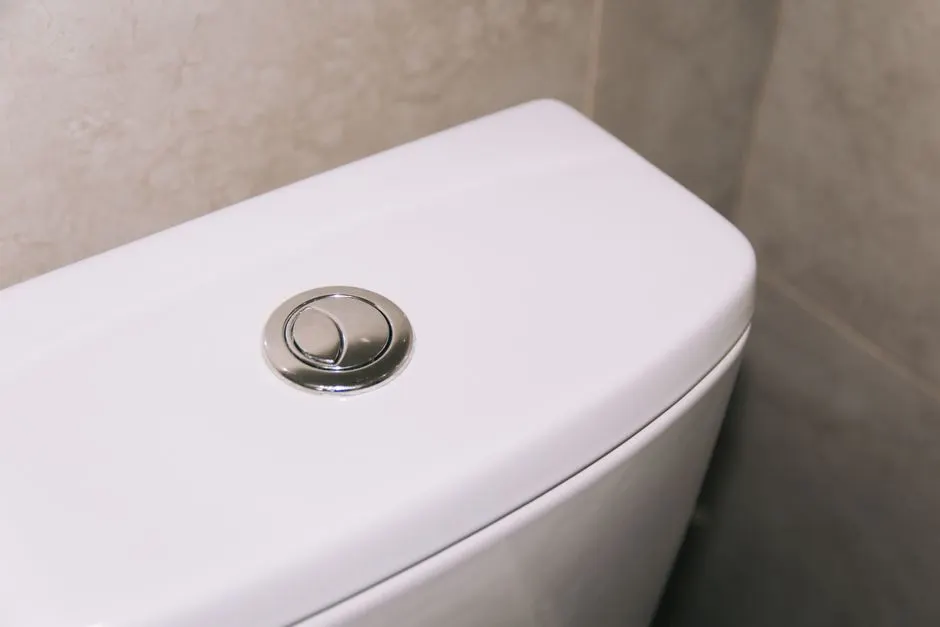
To clear a clogged toilet drain safely at home, start with a flange plunger and 10 firm push-pull strokes; if water still rises, switch to a toilet auger. Never pour chemical drain cleaner into a toilet that is already backed up - it can splash back and burn skin or eyes. Most blockages in Port Charlotte clear in under 15 minutes with the right tool and technique.
We have run thousands of drain calls across Charlotte County, and the same three mistakes show up again and again: too little water in the bowl, the wrong plunger, and giving up after 30 seconds. This guide walks you through the safe sequence, the tools that actually work, and the point where a pro should take over.
Why Toilet Drains Clog in Port Charlotte
Port Charlotte's soil is sandy and the water table sits high in many neighborhoods, which means sewer lines here shift more than they do on solid rock. That shifting opens hairline cracks at pipe joints - and roots find them. We pull root masses out of toilet drain lines in areas like Deep Creek and Harbour Heights more often than we pull out wads of paper.
Inside the bowl, the usual suspects are predictable. A 2019 study by the Water Research Foundation found that wipes labeled "flushable" made up 93% of the material in sewer blockages sampled across U.S. utilities. They do not break down like toilet paper. They catch on the first rough spot in the pipe and build a dam behind them.
Other common causes we see on service calls:
- Too little water. Low-flow toilets (1.28 gallons per flush) need a full bowl to move waste. A half-filled bowl has no head pressure.
- Hard water scale. Port Charlotte's water runs 7-10 grains per gallon of hardness. Over years, that scale narrows the trapway and the drain line.
- Tree roots. A 2 mm root hair can grow into a 4-inch pipe and expand to fill it within a single season.
- Feminine products, paper towels, and dental floss. None of these dissolve. All of them snag.
- Improperly installed flanges. A toilet reset with a folded wax ring lets solids catch at the flange lip.
If your toilet clogs every few weeks, the problem is almost never the toilet - it is the line. That is when a Drain Camera Inspection Port Charlotte FL pays for itself. We run a camera down the line, find the actual obstruction, and stop guessing.
What You Need Before You Start
Gather these tools before you touch the toilet. Running to the garage mid-flood costs you time you do not have.
- Flange plunger (the kind with a rubber cup that folds out). A flat cup plunger is for sinks, not toilets. The flange creates a seal in the bowl's outlet.
- Toilet auger (also called a closet auger). A 3- to 6-foot auger with a rubber sleeve protects the porcelain. Do not use a hand-crank drum snake on a toilet - it scratches the bowl and can crack the trapway.
- Bucket and old towels. A 5-gallon bucket and 4-5 rags. Water will spill. Plan for it.
- Rubber gloves and eye protection. Non-negotiable if you even think about chemicals.
- Hot water and dish soap. One cup of blue Dawn or similar in a bucket of hot (not boiling) water. This lubricates the pipe and helps break up grease-based clogs.
If you have a wet/dry shop vac, keep it nearby. It is the fastest way to pull standing water out of a bowl so you can work without overflowing.
How to Use a Plunger on a Toilet in Port Charlotte
Plunging is not a guessing game. The seal and the stroke count are what matter.
First, add water. If the bowl is low, pour in 2-3 cups of hot water until the rubber cup is fully submerged. A plunger with air around it just moves air, not waste.
Second, seat the flange. Tilt the plunger to let air escape from the cup, then press down firmly so the flange sits inside the bowl's outlet. You should feel the rubber grip.
Third, stroke. Use 10-15 firm push-pull strokes, keeping the seal. Do not lift the cup between strokes. On the last stroke, pull up sharply. If the water drains, you are done. If it rises, stop - you are pushing against a full blockage and the next stroke will overflow the bowl.
Repeat the cycle two or three times. If nothing moves, the clog is past the trapway and you need an auger. Most homeowners we talk to on Residential Drain Cleaning Port Charlotte FL calls have already tried plunging for 30 seconds and quit. Give it a full two minutes before you switch tools.
Using a Toilet Auger or Drain Snake
A toilet auger reaches 3 to 6 feet down the drain - past the trapway where plungers cannot go. That is the zone where most Port Charlotte toilet clogs actually sit.
Here is the sequence:
- Pull the auger's rubber sleeve down over the crank end so it protects the bowl rim.
- Feed the cable into the bowl and down the drain until you feel resistance.
- Crank clockwise while maintaining light downward pressure. Do not force it. Let the auger cut.
- When you feel the cable grab or break through, crank two or three more turns, then pull the cable out slowly.
- Flush a bucket of hot water (not a full flush) to test. If it drains, flush twice more to clear residue.
If the auger comes back with roots or a black, gritty sludge, you are looking at a main line problem, not a toilet problem. That is when we bring in Hydro Jetting Services Port Charlotte FL - 3,500 to 4,000 PSI of water that scours the pipe wall clean instead of just punching a hole through the clog.
Can I Use Chemicals to Unclog a Toilet in Port Charlotte Florida?
No - not on a backed-up toilet. Chemical drain cleaners are caustic (sodium hydroxide) or acidic (sulfuric acid). When the bowl is full and the drain is blocked, the chemical has nowhere to go but up. Splashback into eyes or onto skin is a hospital visit.
There is a second problem. Chemicals sit in the trap and the drain line. When a plumber arrives an hour later and runs an auger, that cable flings caustic liquid into the air. We have seen it happen. It is why many drain companies now charge a hazardous-materials surcharge if you have already poured chemicals.
What actually works for a slow - not fully blocked - toilet is a bucket of hot water with a cup of dish soap, poured from waist height. The weight and the surfactant break up grease and paper. If that does not work in two attempts, reach for the auger.
For recurring clogs, the right answer is mechanical cleaning, not chemistry. Our team handles Toilet Drain Cleaning Port Charlotte FL with augers, jetters, and cameras - no caustic chemicals left behind in your pipes.
Common Mistakes That Make It Worse
We have walked into bathrooms where a simple clog became a $600 repair. Here is what to avoid.
- Flushing again to "see if it worked." If the first flush backed up, a second flush adds 1.28 gallons to an already full bowl. That is how floors get ruined.
- Using a sink plunger. The flat cup does not seal a toilet outlet. You will work twice as hard for zero result.
- Pouring boiling water. Porcelain can crack from thermal shock. Hot tap water is fine. Boiling is not.
- Running a drum snake through the toilet. The steel cable scratches the bowl and can shatter the trapway. Toilet augers exist for a reason.
- Ignoring the warning signs. A toilet that gurgles when the shower drains, or that smells like sulfur, is telling you the vent or main line is compromised. That is a Drain Gurgling and Odor Problems Port Charlotte FL call, not a plunger job.
One more: do not leave a clogged toilet overnight hoping it resolves. Standing water in the bowl keeps pressure on the wax ring. A $6 wax ring replacement beats a $400 subfloor repair every time.
When to Call a Professional
Call a pro when the auger comes back clean but the toilet still will not flush, when multiple fixtures back up at once, or when you see water pooling at the base of the toilet. Those three signs point to a main line or sewer issue that no amount of plunging will fix.
We also get called when a toilet clogs more than twice in a month. That pattern usually means root intrusion, a collapsed pipe section, or heavy scale buildup. A camera inspection takes 20 minutes and tells you exactly what you are dealing with.
Port Charlotte DrainCraft handles toilet drain cleaning across Port Charlotte and the surrounding Charlotte County area. We arrive with augers, jetters, and cameras on the truck, so most clogs are cleared in a single visit. If you are searching for Drain Cleaning Port Charlotte FL because the plunger has stopped working, that is exactly the call we take all day.
Frequently Asked Questions
How to clear a clogged toilet drain safely in Port Charlotte FL?
Use a flange plunger with the bowl filled to the cup, 10-15 firm strokes, then a toilet auger if that fails. Never use chemical cleaner on a backed-up toilet. Most clogs clear in 15 minutes. If two rounds of plunging and one auger pass do not work, call a pro.
Can I use chemicals to unclog a toilet in Port Charlotte Florida?
No. Caustic and acidic cleaners cause splashback burns when the drain is blocked, and they leave hazardous residue that plumbers must handle. Use hot water with dish soap, then a plunger, then an auger. Chemicals are a last resort for slow drains only - never for a full blockage.
What causes toilet drain clogs in Port Charlotte?
The top three causes here are flushable wipes that do not break down, tree roots entering joints in sandy soil, and hard water scale narrowing the pipe. Low-flow toilets with too little water in the bowl make all three worse. Recurring clogs almost always mean a line problem, not a toilet problem.
Who does toilet drain cleaning near me in Port Charlotte?
Port Charlotte DrainCraft does. We run augers, hydro jetters, and drain cameras on every truck, so we clear the clog and confirm the line is actually open before we leave. Call (941) 307-1926 for same-day toilet drain service in Port Charlotte and Charlotte County.
Get Help with Drain Cleaning in Port Charlotte
If the plunger and auger have both failed, the clog is past where DIY tools reach. We clear toilet drains across Port Charlotte with the right equipment and no guesswork.
Call Port Charlotte DrainCraft at (941) 307-1926 and we will get your bathroom back to normal.